


10 Essential Yoga Poses Every Runner Should Master for Injury Prevention and Performance Boost
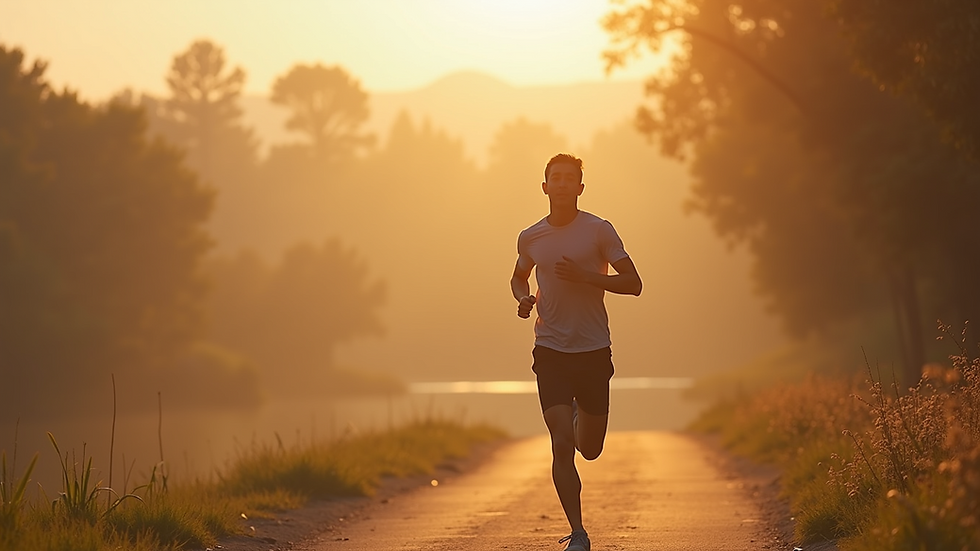
Running is a fantastic way to stay fit, relieve stress, and enjoy the outdoors. However, if not approached with care, it can also lead to injuries. One of the best methods to enhance your running performance and prevent injuries is through yoga. This ancient practice offers multiple benefits, such as improved flexibility, strength, and mental focus. In this post, we will explore ten essential yoga poses that every runner should master to boost performance and prevent injuries.
The Importance of Yoga for Runners
Yoga is not merely about stretching; it is a holistic approach to fitness that combines physical postures, breath control, and meditation. For runners, yoga can help in several impactful ways:
Increased Flexibility: Research shows that stretching can improve flexibility by 20-30%. This is significant because tight muscles can lead to injuries. Yoga lengthens and loosens muscles, enhancing overall flexibility.
Enhanced Strength: Many yoga poses build strength in the core, legs, and hips, with studies indicating that core strength can improve running efficiency by as much as 5-10%.
Improved Balance: Maintaining proper balance is crucial for preventing falls and sustaining good running form.
Mental Focus: Yoga encourages mindfulness, helping runners remain present and focused during runs, potentially boosting performance.
With these benefits in mind, let’s dive into the ten essential yoga poses that can transform your running routine.
1. Downward-Facing Dog (Adho Mukha Svanasana)
This pose stretches the hamstrings, calves, and shoulders while strengthening the arms and legs. It is one of the most fundamental yoga postures.
To perform this pose, start on your hands and knees, tuck your toes, and lift your hips up and back. Keep your spine straight and your heels reaching toward the ground. This pose can improve ankle flexibility, which is vital for runners.
2. Warrior I (Virabhadrasana I)
Warrior I builds strength in the legs and opens the hips and chest, countering the tightness from running.
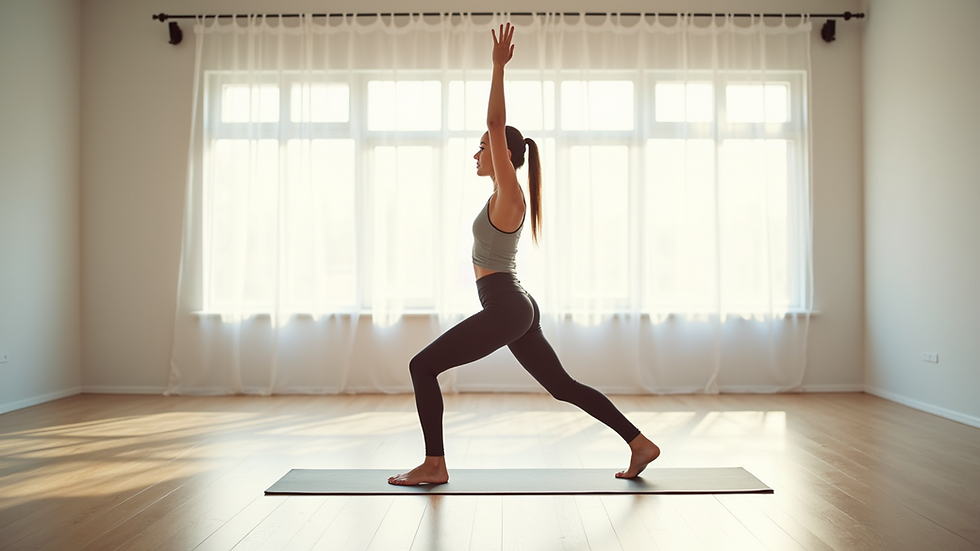
Begin in a standing position, step one foot back, and bend your front knee. Raise your arms overhead while keeping your shoulders relaxed. This pose helps to strengthen your quads and improve lung capacity.
3. Warrior II (Virabhadrasana II)
This pose enhances stamina and stability, making it ideal for runners. It gets your legs ready for the running motion.
From Warrior I, open your hips and shoulders to face the side while extending your arms parallel to the ground. Gaze over your front hand. This position helps improve overall leg strength and endurance.
4. Triangle Pose (Trikonasana)
Triangle pose stretches the legs, hips, and spine while enhancing balance, important for maintaining form throughout a run.
Stand with your feet wide apart, turn one foot out, and reach your front hand down to your ankle or the floor while extending the other arm upward. Keeping your body in a straight line improves coordination and core stability.
5. Pigeon Pose (Eka Pada Rajakapotasana)
Pigeon pose is excellent for opening the hips and alleviating tightness in the glutes. This is particularly useful for runners who often face hip tightness.
From a tabletop position, bring one knee forward and extend the opposite leg back. Keep your hips square and lean forward to deepen the stretch. Spending just a few minutes in this pose can significantly enhance hip mobility.
6. Seated Forward Bend (Paschimottanasana)
This pose stretches the hamstrings and lower back—areas commonly tight from running.
Sit with your legs extended in front of you, hinge at your hips, and reach for your feet. Maintaining a long spine is important; you can use a strap if your flexibility is limited. This stretch helps relieve back tension.
7. Bridge Pose (Setu Bandhasana)
Bridge pose strengthens the glutes and lower back while opening the chest, counteracting the forward lean of running.
Lie on your back with your knees bent and feet flat on the floor. Press through your feet to lift your hips, clasping your hands under your back. By integrating this pose into your routine, you may notice enhanced power during your runs.
8. Cat-Cow Stretch (Marjaryasana-Bitilasana)
This dynamic stretch warms up your spine and enhances flexibility, a prime necessity for any runner.
Start on your hands and knees. Inhale as you arch your back (cow) and exhale as you round your spine (cat). Repeat this several times to relieve tension in the spine, which can improve overall running form.
9. Child’s Pose (Balasana)
Child’s pose is a restorative position that helps to relax the body and mind, essential for recovery.
Kneel on the floor, sit back on your heels, and stretch your arms forward on the ground. Focus on breathing deeply, allowing your body to relax. Spending a few minutes in this pose can help restore energy after a long run.
10. Corpse Pose (Savasana)
This final pose is essential for relaxation and recovery after your yoga session or run.
Lie flat on your back with your arms at your sides. Close your eyes and focus on your breath, allowing your body to wholly relax. Studies show that meditation techniques practiced in this pose can improve your mental health and running motivation.
Making Yoga Part of Your Routine
To gain the most benefits from these yoga poses, consider integrating them into your running regimen. Aim for a short yoga session after your runs or dedicate one day each week to a longer practice. Setting aside even 20 minutes can lead to notable improvements in flexibility and performance.
You can find online classes or local studios that offer yoga specifically designed for runners, with many participants reporting a decrease in injuries after integrating yoga into their routines.
Final Thoughts
Yoga is a powerful tool for runners aiming to enhance performance and minimize injuries. By mastering these ten essential yoga poses, you can improve your flexibility, strength, and mental focus. This will lead to a more enjoyable running experience.
Remember that consistency is key. Regularly practicing them allows you to notice significant improvements in your running performance and overall well-being. Embrace the runner's secret weapon and watch as your running journey transforms!


Comments