


7 Must-Have Vegan Pantry Staples to Elevate Your Cooking
Stocking a vegan pantry with the right essentials can transform your cooking from basic to exciting. Whether you are new to a plant-based lifestyle or a seasoned vegan, having key ingredients on hand saves time and inspires creativity. These staples provide flavor, nutrition, and versatility for countless meals. Here are seven pantry essentials every vegan kitchen should have.
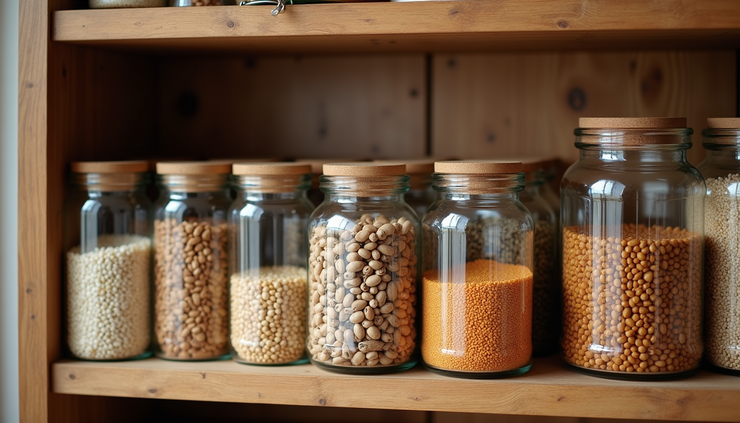
1. Dried Beans and Lentils
Dried beans and lentils are the backbone of many vegan dishes. They offer protein, fiber, and essential minerals at a low cost. Stock varieties like black beans, chickpeas, red lentils, and green lentils to cover a range of recipes. Use them in stews, salads, curries, and even vegan burgers.
Tips for use:
Soak beans overnight to reduce cooking time.
Lentils cook faster and don’t require soaking.
Cook large batches and freeze portions for quick meals.
2. Nutritional Yeast
Nutritional yeast adds a cheesy, nutty flavor without dairy. It’s rich in B vitamins, including B12, which is important for vegans. Sprinkle it on popcorn, pasta, or roasted vegetables. It also works well in sauces and dressings to add depth.
How to use it:
Mix with cashews and lemon juice for a vegan cheese sauce.
Use as a topping for mashed potatoes or salads.
Stir into soups for extra umami.
3. Whole Grains
Whole grains like brown rice, quinoa, barley, and oats provide complex carbohydrates and fiber. They form the base of many meals and keep you full longer. Quinoa is a complete protein, making it especially valuable in a vegan diet.
Cooking ideas:
Use oats for breakfast porridge or baking.
Add cooked barley to soups for texture.
Make grain bowls with quinoa, roasted veggies, and tahini dressing.
4. Canned Tomatoes and Coconut Milk
Canned tomatoes and coconut milk are versatile ingredients that add richness and flavor. Tomatoes bring acidity and sweetness to sauces and stews. Coconut milk adds creaminess to curries and desserts without dairy.
Ways to incorporate:
Simmer canned tomatoes with spices for a quick pasta sauce.
Use coconut milk in Thai-inspired curries or smoothies.
Combine both for creamy tomato soups.
5. Seeds and Nuts
Seeds like chia, flax, and hemp provide omega-3 fatty acids and protein. Nuts such as almonds, cashews, and walnuts add healthy fats and texture. These ingredients boost nutrition and can be used in snacks, baking, and cooking.
Practical uses:
Grind flax or chia seeds to replace eggs in baking.
Blend soaked cashews for creamy sauces or dips.
Sprinkle hemp seeds on salads or oatmeal.

6. Soy Sauce or Tamari
Soy sauce or tamari adds salty, savory flavor to dishes. Tamari is a gluten-free alternative with a smoother taste. These condiments enhance stir-fries, marinades, and dressings, making meals more satisfying.
Usage tips:
Use sparingly to avoid overpowering dishes.
Combine with garlic, ginger, and sesame oil for a quick sauce.
Add to soups for depth of flavor.
7. Spices and Herbs
A well-stocked spice rack is essential for vibrant vegan cooking. Common spices like cumin, paprika, turmeric, and chili powder add warmth and complexity. Dried herbs such as oregano, thyme, and basil bring freshness.
Suggestions:
Experiment with spice blends like curry powder or za’atar.
Toast whole spices before grinding to release aroma.
Use fresh herbs when available to brighten dishes.


Comments