


The Impact of a Whole-Food Plant-Based Diet on Chronic Inflammation
Chronic inflammation is a significant health concern that affects millions of people globally. This ongoing inflammation is linked to serious conditions such as heart disease, diabetes, and autoimmune disorders. As research continues to reveal how diet influences health, many are shifting their focus toward whole-food plant-based diets. This blog post explores how adopting this dietary approach can influence chronic inflammation and enhance overall health.
Understanding Chronic Inflammation
Chronic inflammation happens when the body's immune system remains activated for long periods. Unlike acute inflammation, which repairs tissues after injury or infection, chronic inflammation can lead to lasting tissue damage and increase the risk of numerous diseases. Factors like poor diet, high-stress levels, and inactivity can worsen this issue.
According to research, consuming large amounts of processed foods, especially those high in sugar and unhealthy fats, can trigger inflammatory responses in the body. For instance, a diet high in refined sugars can increase inflammatory markers, such as C-reactive protein, by approximately 30%. In contrast, whole foods, especially those in plant-based diets, have the potential to combat these inflammatory responses.
What is a Whole-Food Plant-Based Diet?
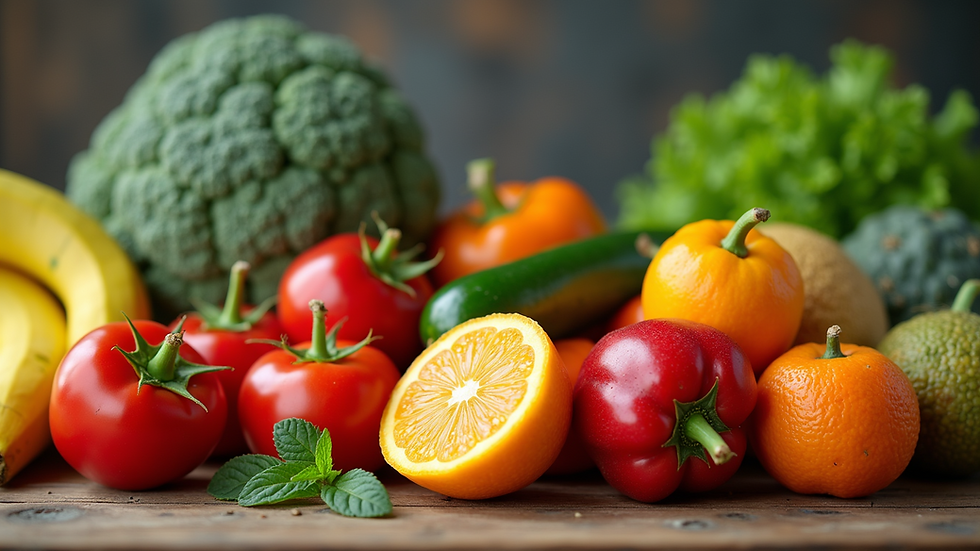
A whole-food plant-based diet emphasizes eating unprocessed or minimally processed foods that primarily come from plants. This includes a wide variety of fruits, vegetables, whole grains, legumes, nuts, and seeds. The focus is on consuming whole foods rather than refined products, which often contain added sugars and unhealthy fats that can fuel inflammation.
This diet is abundant in essential nutrients and high in antioxidants and anti-inflammatory compounds that contribute to better health. For example, studies have identified that individuals who adhere to a whole-food plant-based diet can experience a reduction in inflammation levels by up to 40%.
The Anti-Inflammatory Benefits of Whole Foods
Rich in Antioxidants
Whole plant foods are abundant in antioxidants. These compounds help neutralize free radicals in the body that can contribute to oxidative stress and inflammation. Foods such as berries, leafy greens, and nuts are particularly high in these beneficial compounds.
For example, blueberries offer a significant concentration of antioxidants called anthocyanins, which have been linked to reduced inflammation markers. Including a wide range of colorful fruits and vegetables in your meals can significantly enhance your antioxidant intake, creating a stronger defense against inflammation.
High in Fiber
A whole-food plant-based diet is rich in dietary fiber, which is essential for good gut health. A healthy gut microbiome helps regulate inflammation; fiber nourishes beneficial gut bacteria, which produce short-chain fatty acids that help reduce inflammation.
Research indicates that individuals consuming a high-fiber diet—around 30 grams daily—have significantly lower levels of inflammatory markers like IL-6 (interleukin-6) compared to those consuming less fiber. This highlights the need to include whole grains, legumes, and fresh produce in our daily meals.

Healthy Fats
Even though a whole-food plant-based diet is generally low in saturated fats, it includes healthy fats sourced from avocados, nuts, and seeds. These fats contain omega-3 fatty acids, which have been shown to lower inflammation.
Incorporating specific foods, such as chia seeds, flaxseeds, and walnuts, can provide necessary fatty acids. For instance, a mere two tablespoons of chia seeds deliver over 5 grams of omega-3s, demonstrating their potential to help combat chronic inflammation effectively.
Practical Tips for Transitioning to a Whole-Food Plant-Based Diet
Start Slow
Transitioning to a whole-food plant-based diet doesn’t need to happen instantly. Start by adding more plant-based meals to your week. Gradually replace processed foods with whole foods and try new recipes that highlight the deliciousness of fruits, vegetables, and whole grains.
Meal Prep
Planning and preparing meals ahead of time can simplify transitioning to a whole-food plant-based diet. Setting aside time each week to cook and portion out meals can save time and provide easy access to nutritious options.

Embracing a Healthier Lifestyle
Adopting a whole-food plant-based diet can considerably reduce chronic inflammation. By focusing on nutrient-dense, unprocessed foods, people can combat inflammation and enhance their overall well-being. The advantages of such a diet go beyond reducing inflammation; it can lead to improved heart health, better digestion, and increased energy levels.
As you contemplate making dietary changes, remember that every small step brings you closer to a healthier you. Enjoy the vibrant, delicious foods that a whole-food plant-based diet has to offer.


Comments